The connected factory: bringing planning, production and data together in a single information flow

Office, shop floor and machines: three worlds that are often kept apart
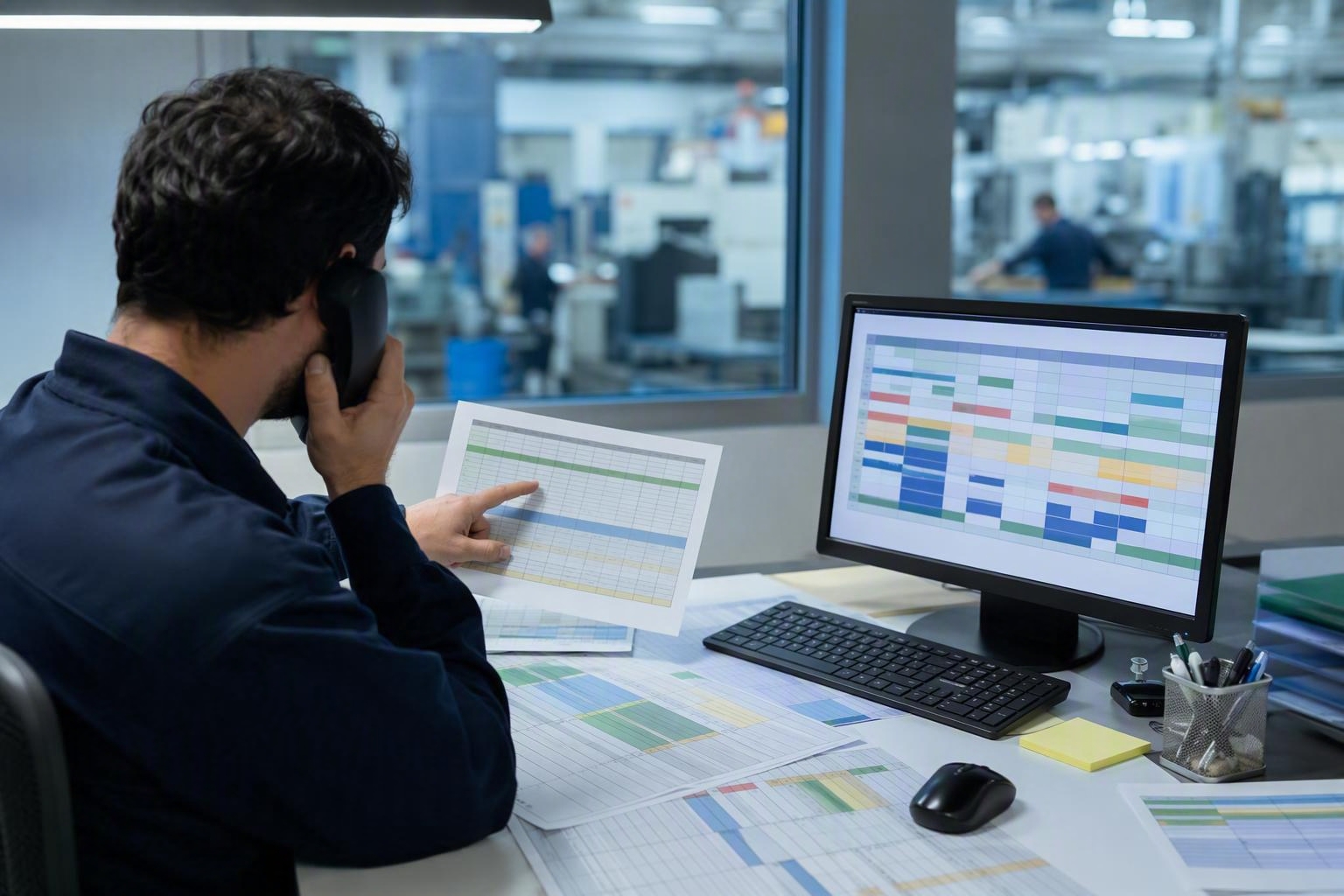
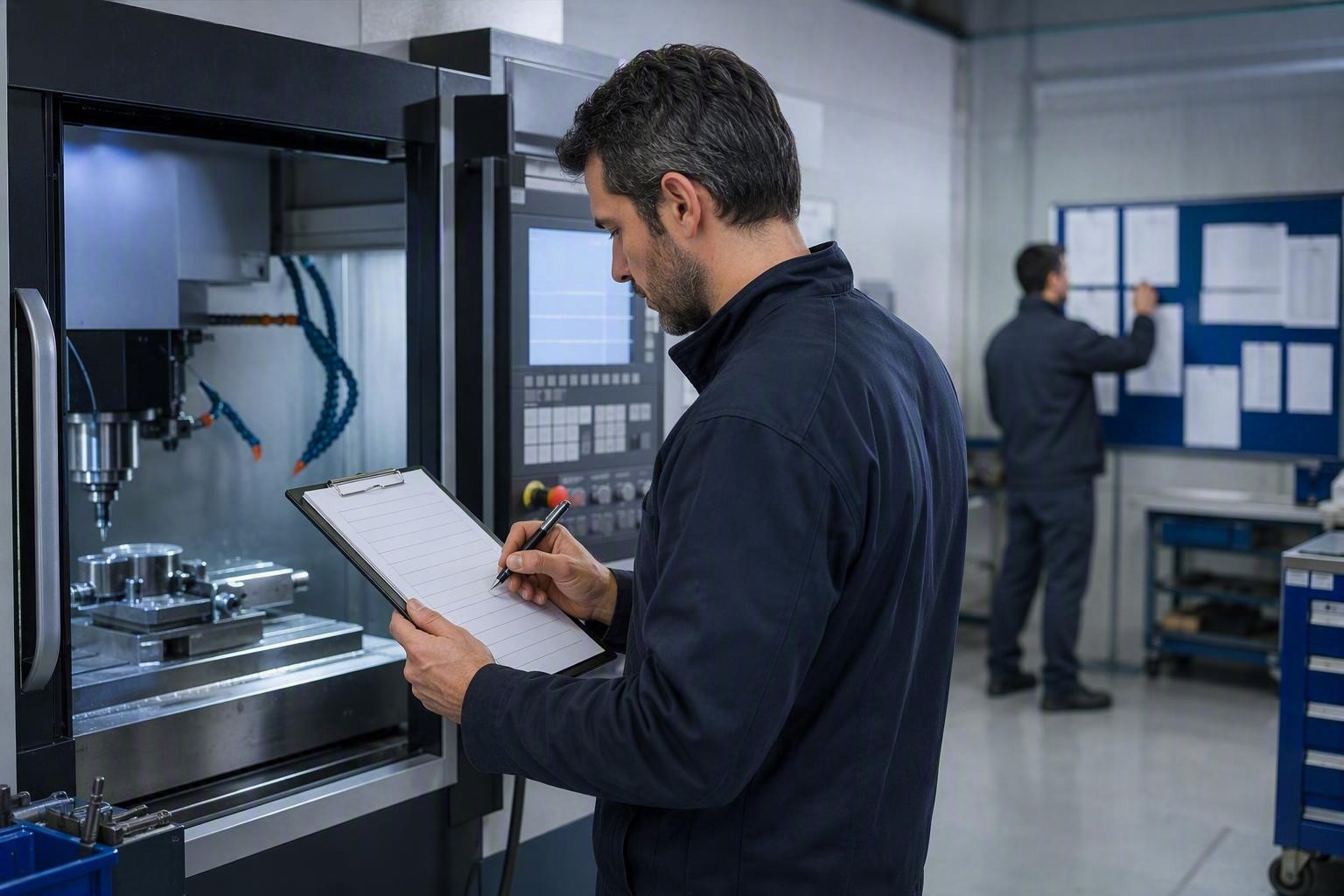
In many manufacturing companies, three worlds coexist: the offices where planning takes place, the shop floor where production happens, and the machines that carry out the machining. They operate within the same company, often just a few metres apart, but they do not always communicate effectively; in fact, they often communicate very little, building up delays, and through “informal” channels: sheets filled in by hand at the end of a shift, phone calls, or reconstructions based on the experience of individual operators, perhaps “from memory”.
In practice, each of these three worlds holds different but complementary information, which is rarely linked together in a structured way. The production plan is drawn up “on paper” in the offices, where times, priorities and machining sequences are defined. The shop floor, on the other hand, experiences the reality of production every day, with unforeseen events, changes and a constant need to adapt. The machines, for their part, continuously record valuable data on operating status, actual machining times, stoppages and their causes.
As a result, three bodies of information remain disconnected, limiting visibility of processes and making it harder to take quick decisions based on reliable data.
The risks of non-integrated production management
This lack of information flow between planning, production and monitoring has a real cost, even though it does not appear in any financial statement: the time spent every day gathering information from different sources, checking data, updating reports and reconstructing the actual status of production activities.
But it is not just a question of time. When information is not up to date or easily accessible, the risk of taking decisions based on a partial view of the situation increases: one job is treated as a priority while another builds up delays that will only come to light later. Meeting delivery dates also becomes more difficult, because without precise knowledge of machining progress it is hard to forecast lead times and production capacity reliably.
To find out whether this problem exists in your company, it is enough to ask a few questions:
- How is information on production progress collected today?
- How much of the reporting is still compiled manually?
- How quickly can you find out the actual status of a job?
If many of the answers still point to phone calls, Excel spreadsheets, handwritten notes or checks carried out in person, the flow of information can be made simpler, faster and more reliable.
What “connected factory” means
The expression has been around for years and risks being seen as a slogan. In reality, it is a very practical business model: a factory is described as connected when planning, production and management share the same up-to-date, reliable information. When this happens, decisions become faster, production becomes more predictable and the entire organisation becomes more responsive to market and customer needs.
The principle underlying the “connected factory” model is to create a continuous flow of information between offices, shop floor and machines. Data is collected directly where production activities take place, without having to rely on manual recording or after-the-fact reconstruction. This information feeds into the production plan, which can be updated according to what is actually happening on the shop floor. In turn, planning provides clear and realistic guidance on priorities and on the activities to be carried out.
Improving visibility of production status does not mean overturning processes and ways of working. The aim is to ensure that information is available when it is needed and can support the entire production process, from planning to execution.
Vero Project solutions: WorkPlan and QuickMonitor
Vero Project helps companies connect planning and production through two complementary solutions.
QuickMonitor collects real-time data from machines and production departments, such as progress status, machining times and causes of stoppages.
WorkPlan manages job planning, scheduling and control, also using information collected directly from production.
When production expertise and digital solutions complement each other
Efficient production does not depend solely on the availability of up-to-date data. The more strictly operational aspects, such as set-up times, clamping accuracy and machining repeatability, also have a direct impact on the performance of the entire production process.
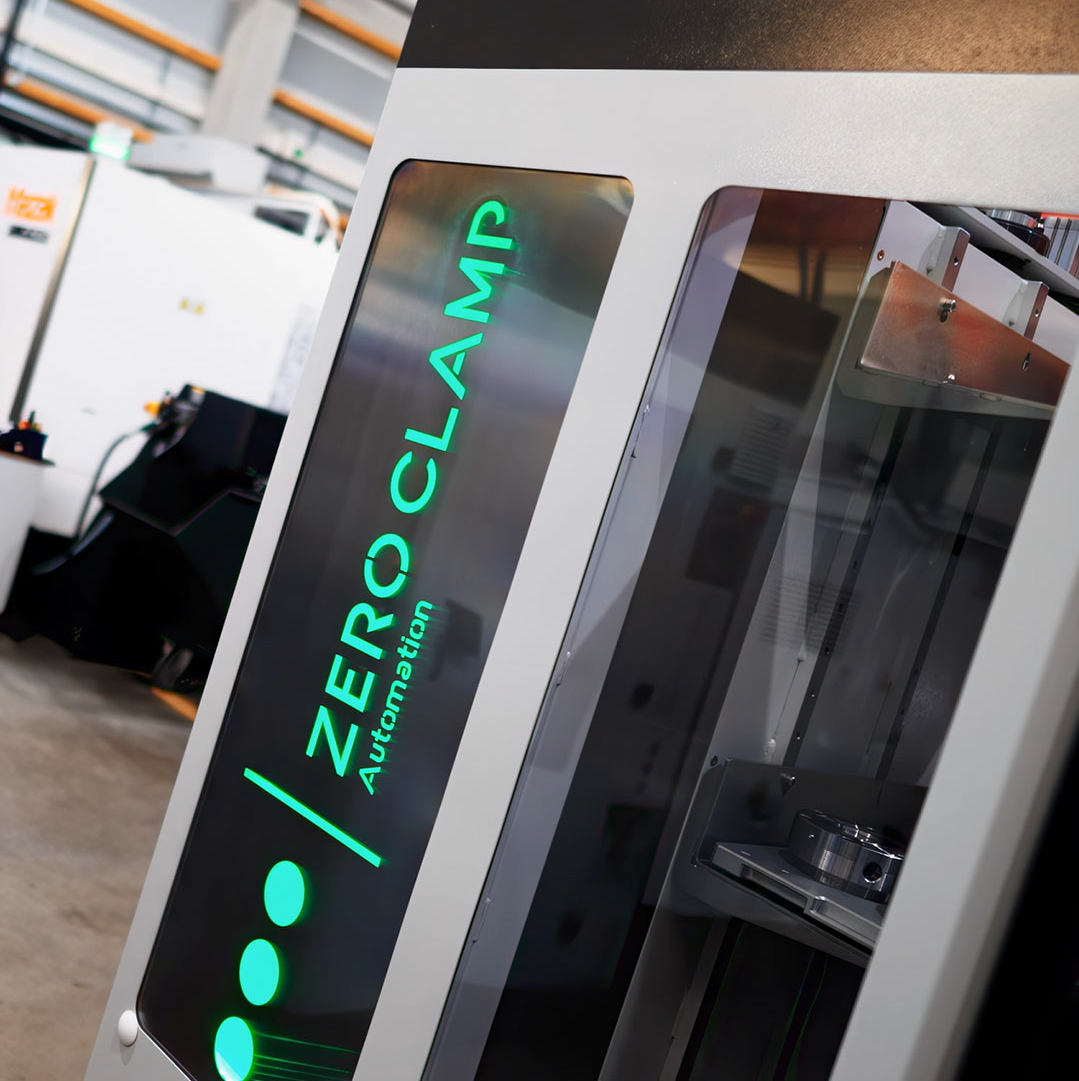
It is from this consideration that the collaboration between Vero Project and ZERO CLAMP was born. Based in Bruckmühl, Germany, the Bavarian company develops and manufactures zero-point clamping systems, multiple clamping systems and machine loading automation solutions. The aim is to make set-up and changeover operations more efficient, reducing non-productive time and increasing machine availability.
Together, Vero Project and ZERO CLAMP help improve production from different but complementary perspectives: on the one hand, the efficiency of machining and equipment; on the other, support for production control and management through digital solutions for planning, monitoring and data analysis.
Where to meet Vero Project and ZERO CLAMP together: AMB Stuttgart 2026
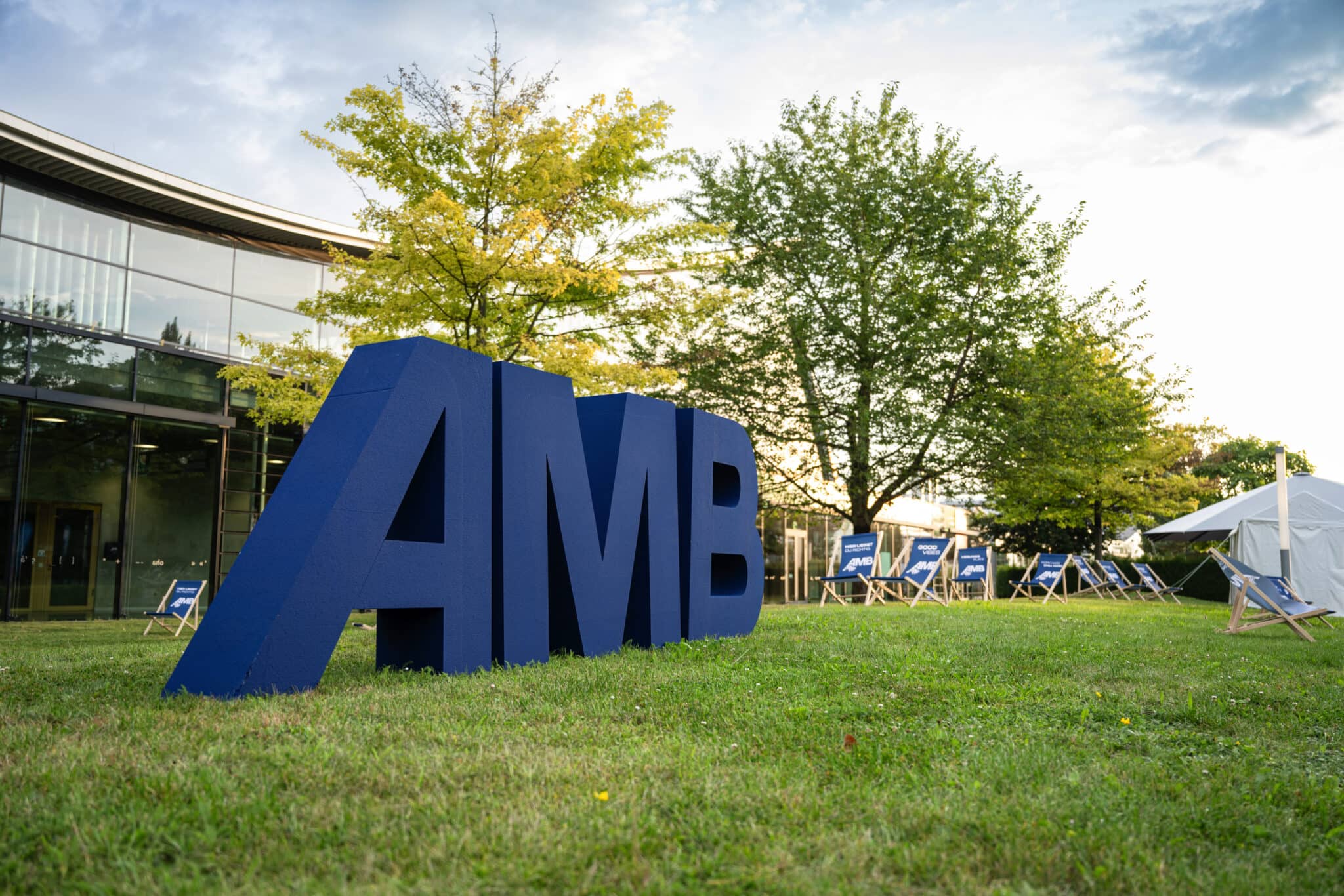
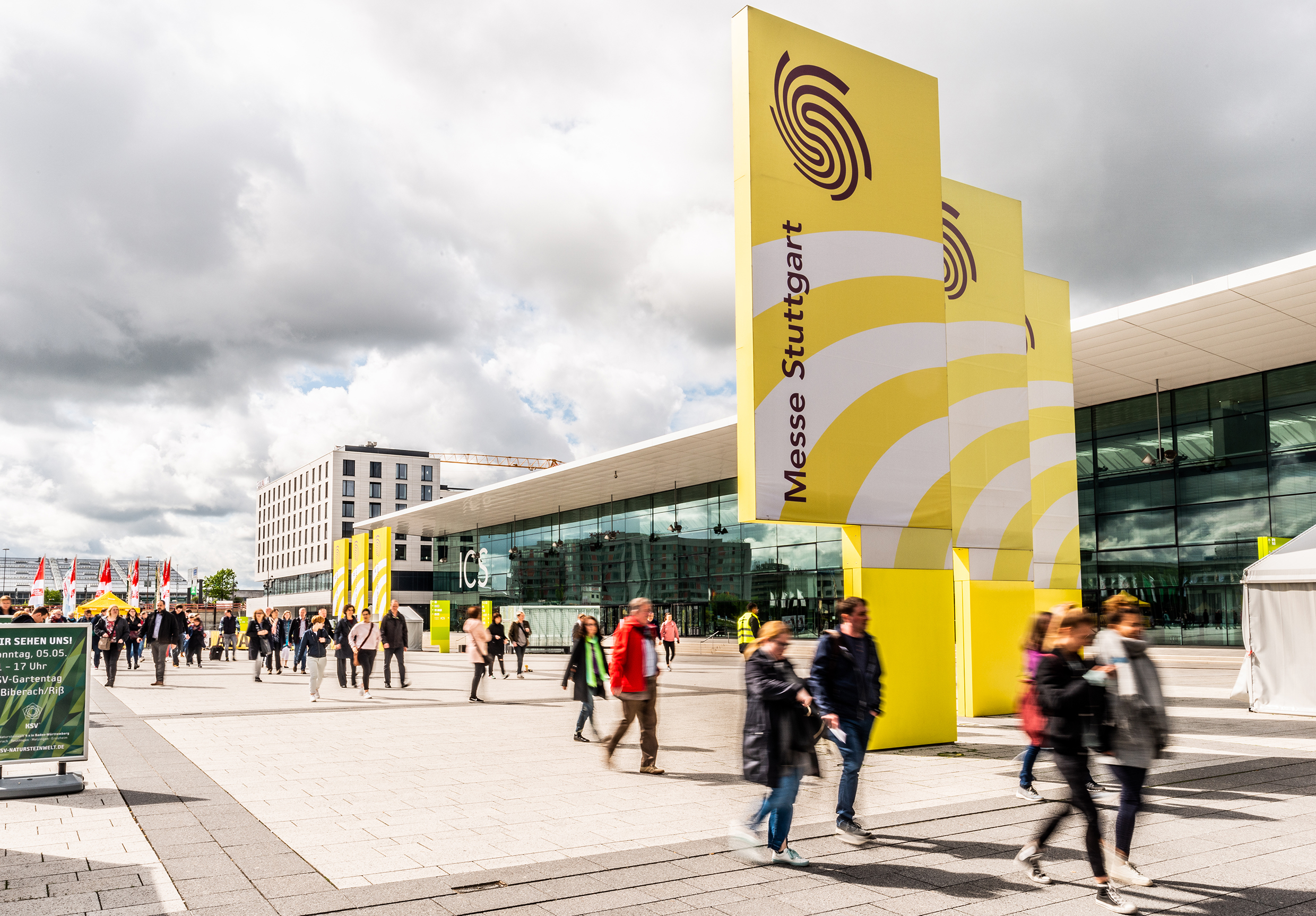
From 15 to 19 September 2026, Vero Project and ZERO CLAMP will be at AMB Stuttgart, the international metalworking trade fair, in Hall 3, Stand 3D67.
During the fair, visitors will be able to explore some of the topics that matter to many manufacturing companies today, such as production planning, monitoring of shop-floor activities, machine utilisation and the reduction of non-productive time.
At their stand in Hall 3, Stand 3D67, visitors will be able to watch live demos and demonstrations showing how these issues can be addressed through practical solutions and application cases close to the needs of machine shops and production departments.
An opportunity for discussion
Anyone wishing to discuss their specific case in more depth is advised to book an appointment at the fair with Vero Project’s specialist team.
For this reason, the company has reserved a limited number of free admission tickets.
Requesting one is simple, just:
- click the green button above
- fill in the request form
- check your email: your personal code will arrive directly, together with instructions for redeeming it on the Messe Stuttgart visitor portal
Come and see us
Whether you are looking to improve operational control, increase productivity or accelerate your journey towards digital manufacturing, come and see us: it will be an excellent opportunity to meet the Vero Project team, discuss your needs in depth and find out how our solutions can continue to support your business.
📌Where: Messe Stuttgart, Germany
🔹Stand: Hall 3 – Stand 3D67
🗓️When: 15–19 September 2026
Related news
All news