
The time between quotation and final costing.
In every company that works to order, there comes a moment when the real financial result of an order emerges. In most cases this happens weeks, if not months, after delivery: the accounts department closes the books, consolidates hours worked, materials used and outsourced operations, and only then does the actual margin become visible.
The problem is not the final figure. The problem is when it becomes available.
Once a job is complete, in fact, there is no longer any possibility of intervening. If the margin has gradually shrunk during execution, the result can be analysed, but not corrected.
It is a situation well known to many manufacturing companies: turnover is always under control, while profitability often only emerges after the event. The value sold is known precisely, but it is much harder to understand where, between the initial quotation and final delivery, extra costs, inefficiencies or variances arose.
An industrial issue, not just an administrative one
One might think that measuring profitability is mainly an accounting matter. In reality, it is first and foremost an industrial issue.
The first reason is simple: a job in progress can still be managed; a closed job cannot. If you notice in time that the hours spent are exceeding those planned, it is possible to intervene, review priorities, recover efficiency in subsequent phases or consider corrective action. If the same information only emerges at final costing, any opportunity to intervene has already been lost.
The second reason is even more important. Future quotations are based on data from previous jobs. If the times used to estimate costs and operations do not reflect what actually happens on the shop floor, the error is not confined to a single project but tends to recur over time. In this way, the same problems recur from one job to the next, gradually eroding the company’s margins.
Two questions can help to assess the situation:
- Do the actual costs of jobs match the quoted costs?
- How is the profitability of each individual job measured today?
When the answer to the first question is imprecise (for example, ‘we do not know exactly what causes the variances’, Ed.), it often turns out that the second question does not have a clear, structured answer either.
Where the real cost of a job is hidden
The profitability of a job depends on very concrete information: hours actually worked, set-up times, machine downtime, causes of stoppages, rework, scrap and operational inefficiencies.
This is data that already exists within the production department and is generated every day as work is carried out. The problem is that, in most companies, this information is not collected in a systematic, timely and usable way.
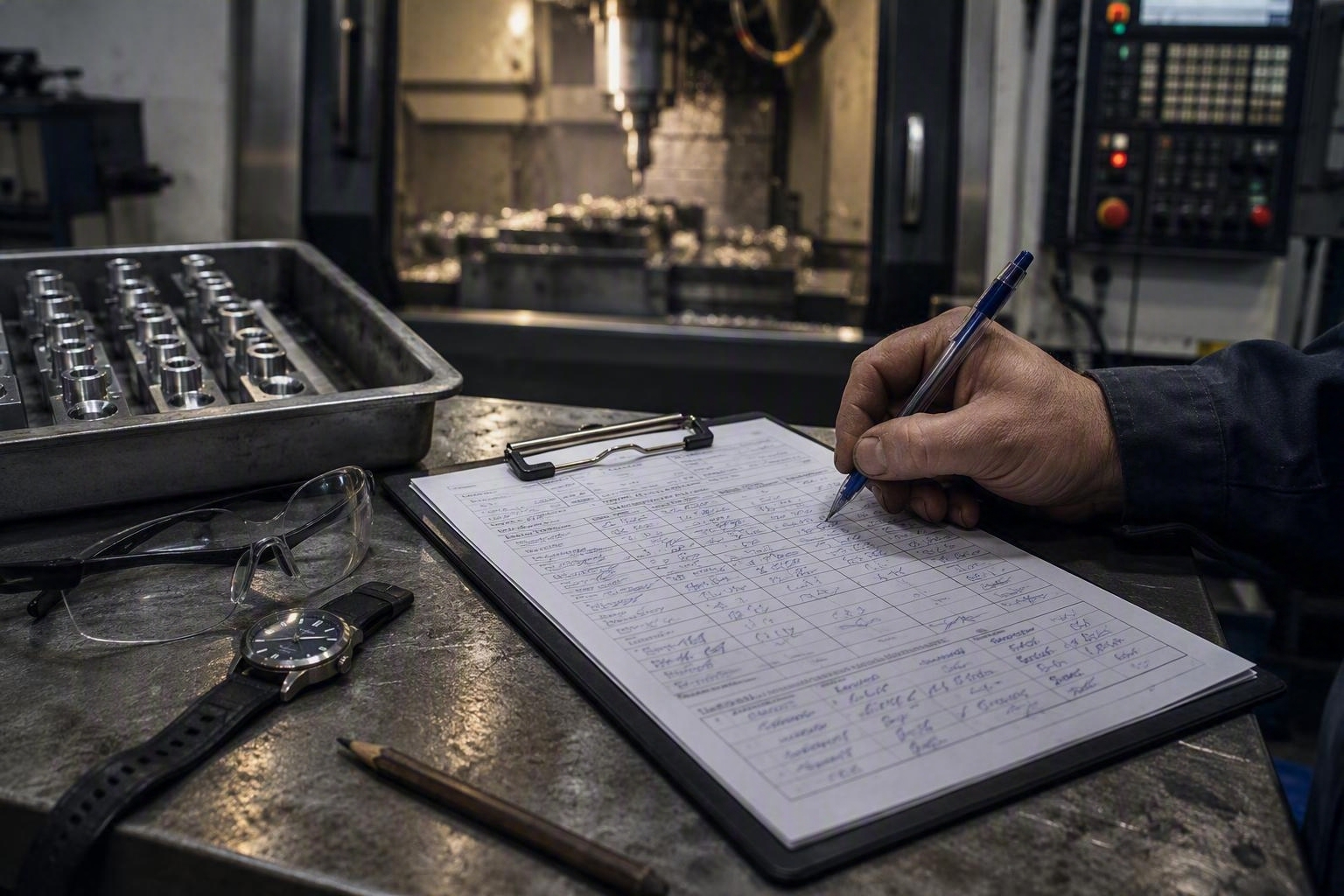
The most common method is still the manual one: production sheets, end-of-shift reports, scattered notes or after-the-fact reconstructions. This approach has clear limitations.
The data arrives late, may be incomplete or approximate and often depends on the availability of shop-floor staff. This is not a lack of attention but a natural consequence: operators’ priority is to produce, not to fill in paperwork.
The result is that the data used to assess the real costs of the job risks being partial or inaccurate.
One of the fundamental principles of production management therefore applies: you cannot improve what you do not measure.
From final costing to real-time control with Workplan and QuickMonitor
The solution is not to ask operators to record more information manually. On the contrary, it is to collect data directly at the point where the work is carried out.
This is precisely the area in which Vero Project’s solutions operate.
QuickMonitor automatically acquires data from the production department, capturing machine statuses, actual machining times and causes of downtime in real time, with no need for later reconstruction.
Workplan links this information to jobs, relating it to quotations, work cycles, planned phases and expected costs. In this way, variances can be monitored while the job is still in progress, not when all activities have already been completed.
Final costing is no longer an after-the-fact check, but becomes a tool for continuous control. Companies can promptly identify situations that are eroding the margin, intervene while there is still room for manoeuvre and build future quotations based on real data rather than estimates or historical assessments.
It is important to stress one point: Workplan and QuickMonitor do not replace the company’s management system; they complement it. They do so by covering the operational area that often remains barely visible in traditional ERP systems, namely what actually happens on the shop floor between the start of a job and its completion.
Cases like these will be discussed live at AMB Stuttgart: Vero Project has reserved free entry vouchers for customers and contacts.
The physical component of the margin: set-up and machining times
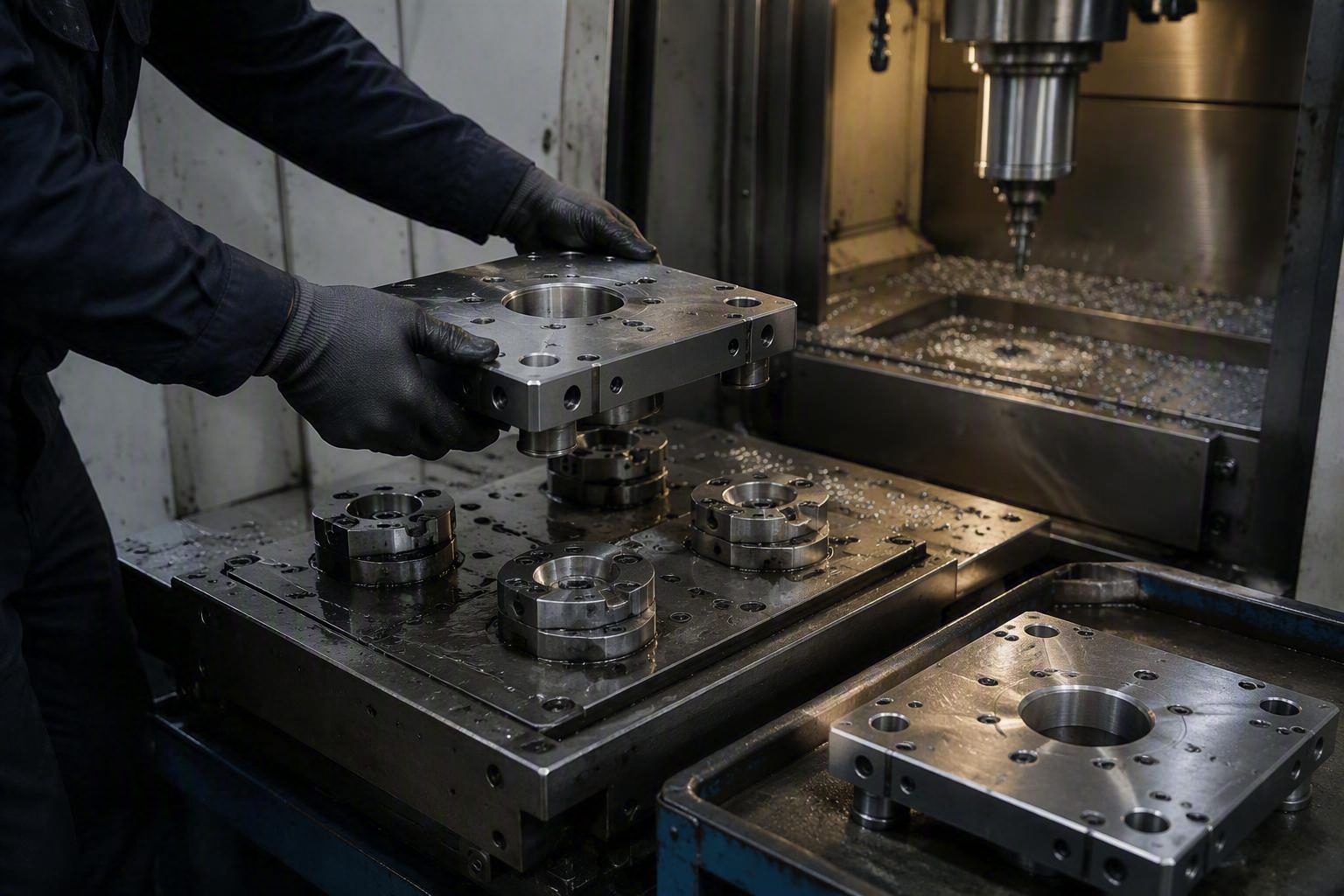
The profitability of a job also depends on very concrete factors that no software can improve on its own: set-up times, speed of production changeovers, repeatability of workholding and machining efficiency. Every minute lost during a production changeover or set-up activity translates directly into a cost that affects the job’s margin.
This is also why Vero Project will be taking part in AMB Stuttgart 2026 together with ZERO CLAMP.
ZERO CLAMP specialises in precision clamping solutions and develops in-house zero-point clamping, multiple clamping and machine loading automation systems designed to drastically reduce set-up times, production changeovers and all ancillary activities that do not generate value.
The expertise of the two companies addresses different but closely related aspects. ZERO CLAMP helps to reduce the cost per part by acting directly on the efficiency of machining operations. Vero Project, on the other hand, supports the financial and operational control of the job through planning, monitoring and data collection. Two complementary specialisms pursuing the same goal: improving production profitability.
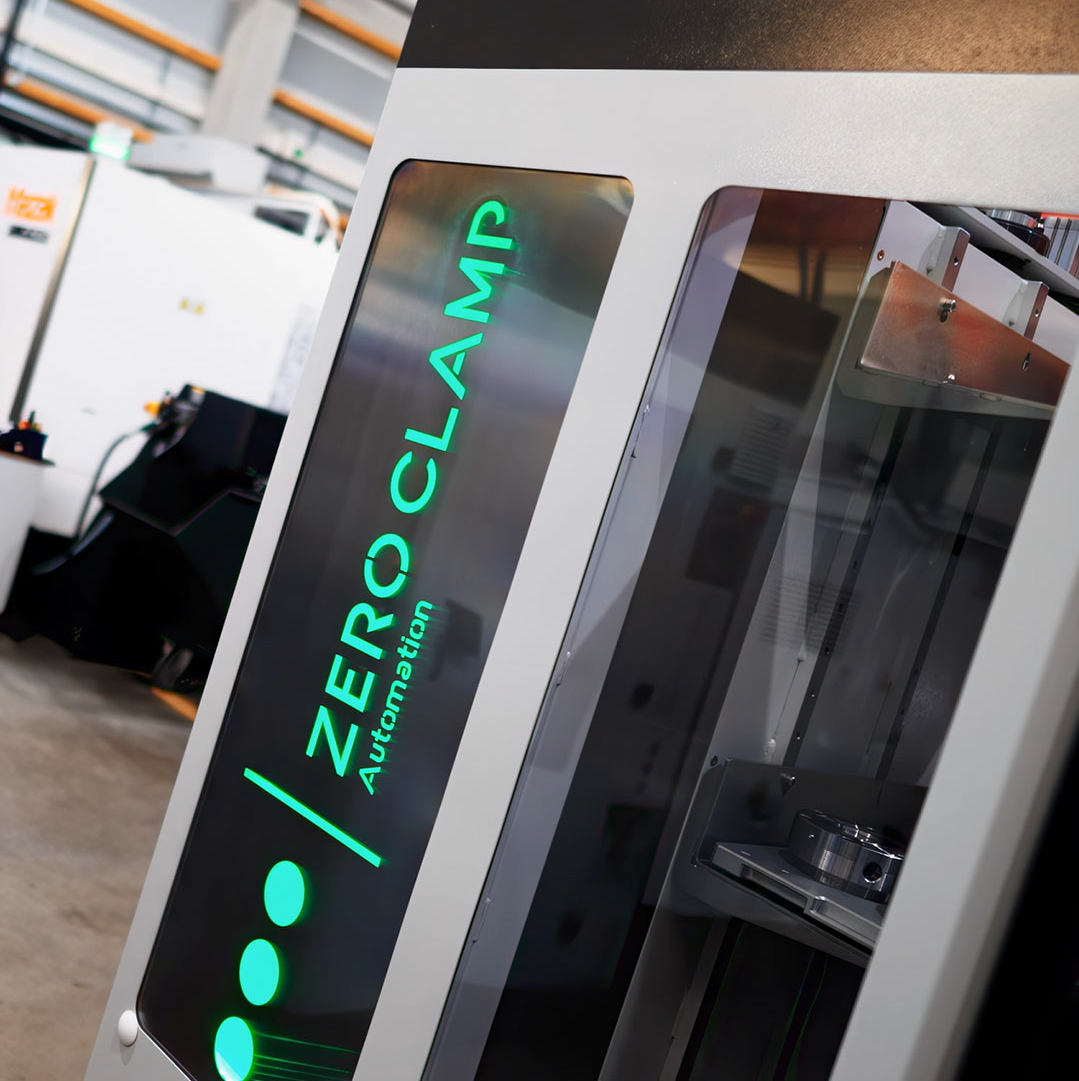
Where to find us: AMB Stuttgart 2026, Hall 3 – Stand 3D67
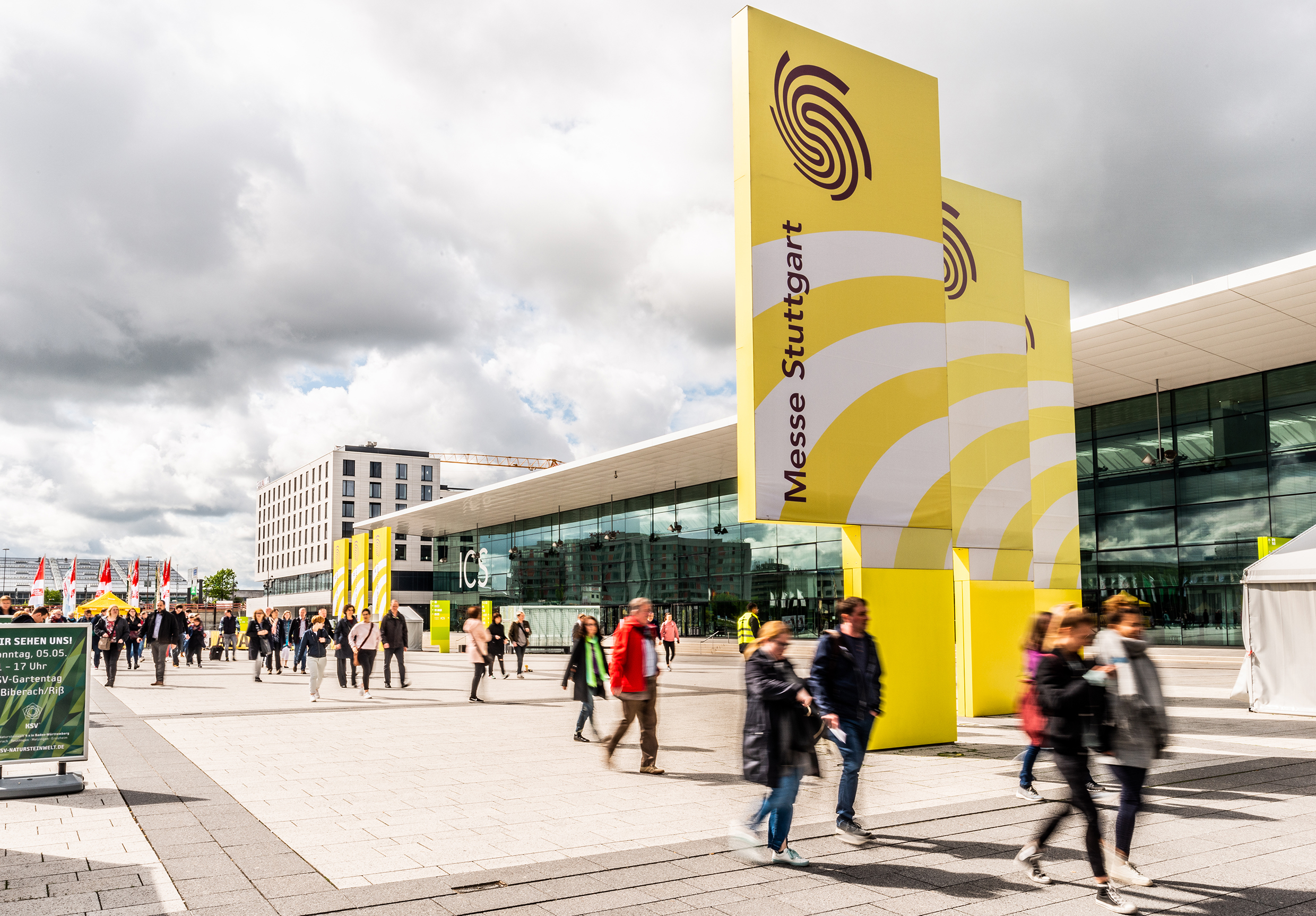
From 15 to 19 September 2026, Vero Project and ZERO CLAMP will be at AMB Stuttgart, Hall 3 – Stand 3D67, with live demonstrations throughout the show.
Anyone wishing to explore the path linking quoting, production, data collection and profitability control is advised to book an appointment in advance. The discussion is particularly effective when it starts from the processes, challenges and objectives of the individual company.
To prepare for your visit, you can also read our in-depth article on how planning and the production department work together in a connected factory.
Entry to the trade fair
Those who would like to discuss their specific case in depth are advised to book an appointment at the fair with Vero Project’s Specialist Team.
For this reason, the company has reserved a limited number of free entry passes.
Requesting one is easy; simply:
- click the green button above
- fill in the request form
- check your email: your personal code will arrive directly, with instructions for redeeming it on the Messe Stuttgart visitor portal
Come and see us
Whether you are looking to improve operational control, increase productivity or accelerate your journey towards digital manufacturing, come and see us: it will be an excellent opportunity to meet the Vero Project team, discuss your requirements and find out how our solutions can continue to support your business.
📌 Where: Messe Stuttgart, Germany
🔹 Stand: Hall 3 – Stand 3D67
🗓️ When: 15–19 September 2026
Related news
All news